
Taking the Lessons of Woza Nami to Scale
The Southern Africa Food Lab has published a new report documenting two extension activities that carried the learning from the Woza Nami | Woza Nathi programme into new communities and partnerships, demonstrating how collaborative learning can continue long after a project formally concludes.
With the original project objectives complete, WWF South Africa and the Southern Africa Food Lab chose to use a small remaining balance from the WWF Nedbank Green Trust investment to support one of Woza Nami's founding ambitions: ensuring that the knowledge, relationships and approaches developed over almost six years could inform future agroecology initiatives.
The resulting activities took place in Matatiele in the Eastern Cape and Masiphumelele in Cape Town, reaching more than 100 farmers, practitioners, government officials and community members. While different in focus, both were designed to strengthen local capacity while sharing practical lessons across organisations, landscapes and communities.
Learning across provinces
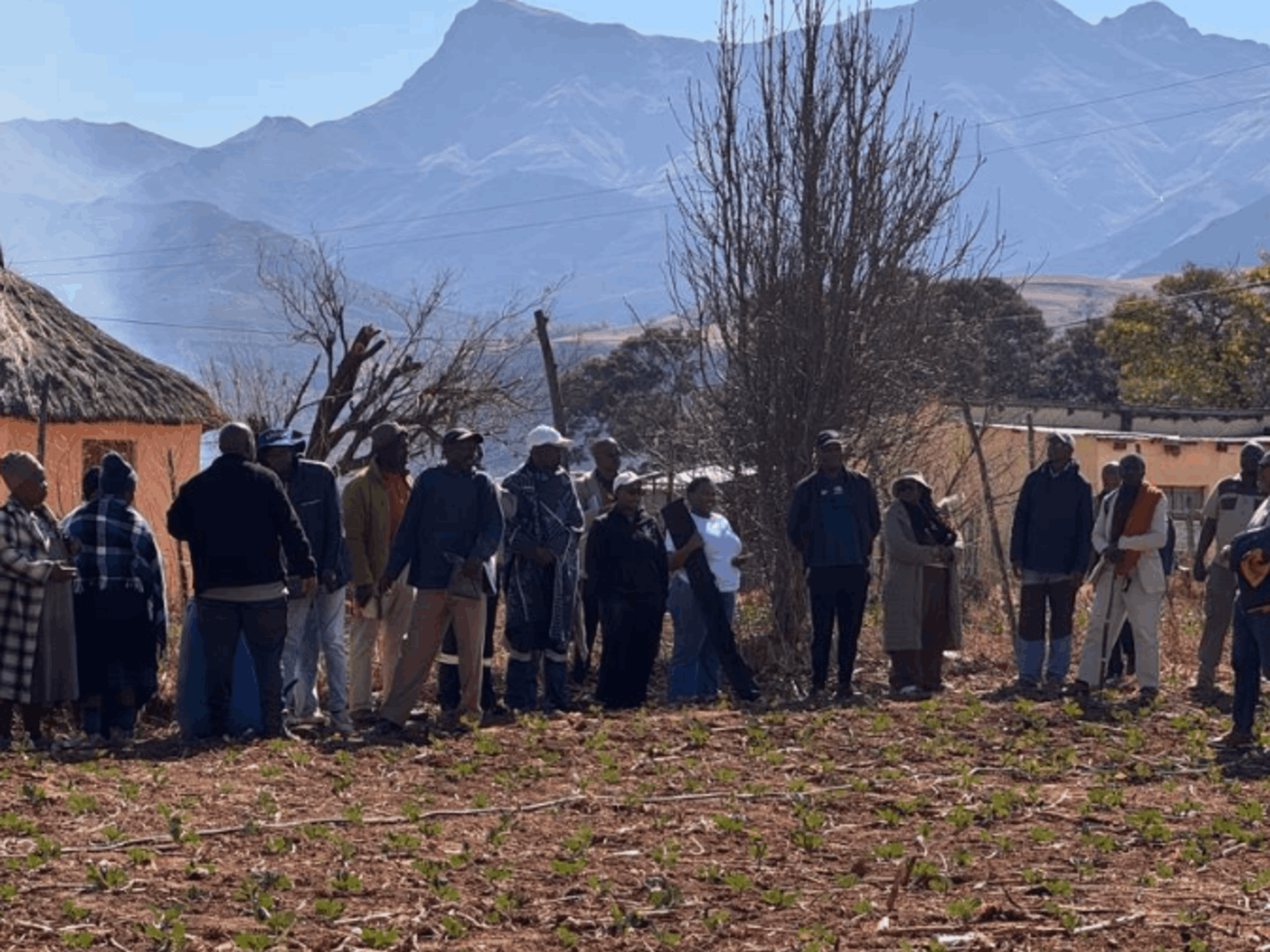
The first activity brought together farmers, researchers, government officials and civil society organisations for a learning journey to Matatiele, where WWF South Africa is supporting a new Agroecology Hub working with approximately 600 smallholder farmers.
The exchange created an opportunity for participants from the Woza Nami programme to share practical experience with those involved in the Eastern Cape initiative, while also contributing to discussions around South Africa's National Agroecology Framework.
Over two days, participants visited spring protection sites, agroecology farms, dairy operations and a clinic food garden, exploring practical questions around water stewardship, diversified farming systems, nutrition, market access and local food procurement. Rather than presenting solutions in a workshop setting, the learning took place through shared observation, discussion and reflection in the field.
The journey also provided valuable opportunities for dialogue between practitioners and several contributors to the National Agroecology Framework, strengthening connections between policy development and lived experience on the ground.
Building local capacity in Masiphumelele
The second extension activity focused on bringing agroecology learning into an urban context.
Working with the Institute of Natural Resources and Masi Creative Hub, the Southern Africa Food Lab supported a week-long tower garden training programme in Masiphumelele. Youth ambassadors, teachers, parents and learners worked alongside trainer Mzo Mndali to construct tower gardens at a primary school, an orphanage and a private home.
Designed for communities where space and water are limited, the gardens require only a one-square-metre footprint while producing a significant number of food crops. Equally important, the training equipped local participants with the skills to continue constructing and maintaining the gardens independently, with additional gardens built immediately after the programme concluded.
Extending the impact of collaborative learning
Woza Nami | Woza Nathi has always been about more than agricultural production. The programme demonstrated the value of bringing together farmers, researchers, government, civil society and communities to explore how agroecology can strengthen nutrition, livelihoods and resilience.
These extension activities illustrate how that collaborative learning continues to inform new initiatives. By creating opportunities to exchange experience across provinces, connect local practice with national policy, and strengthen community ownership, they have helped ensure that the lessons of Woza Nami continue to shape agroecology work beyond the life of the original project.
View the full report here.