

Place-based initiatives
Enabling local communities to create and maintain just and sustainable food systems through collaborative demonstration sites. The Southern Africa Food Lab serves primarily as a dialogue convener, but our work with partners in place-based demonstration sites has proven to be a powerful catalyst for unlocking local food system solutions. These sites function as innovation hubs where practical ground-level actions meet vital dialogue applications and training opportunities, creating spaces where communities can experiment, learn, and develop context-specific approaches to food system transformation.
Woza Nami
Initiated in 2019 with funding from the WWF Nedbank Green Trust and the DG Murray Trust, the Woza Nami project aims to enhance nutrition and food security in communities surrounding eThekwini Municipality's agroecological hubs with a pilot project launched at the Inchanga hub. Woza Nami envisions an eThekwini region free from hunger and malnutrition, where local communities autonomously determine and fulfil their dietary requirements through sustainable, agroecological practices. This vision includes building resilience to climate change impacts and socioeconomic shocks.
Approach and activities
The project employs a multifaceted strategy to transform local food systems:
Scaling deep
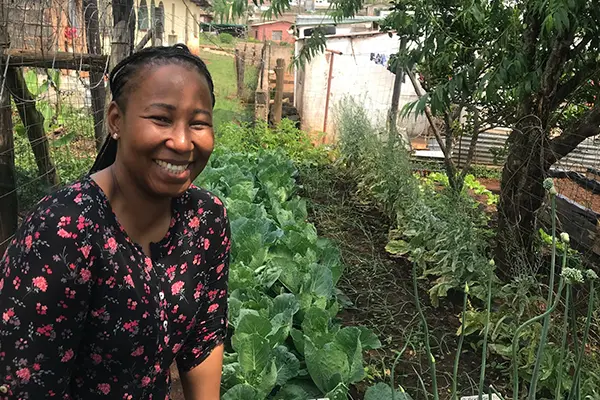
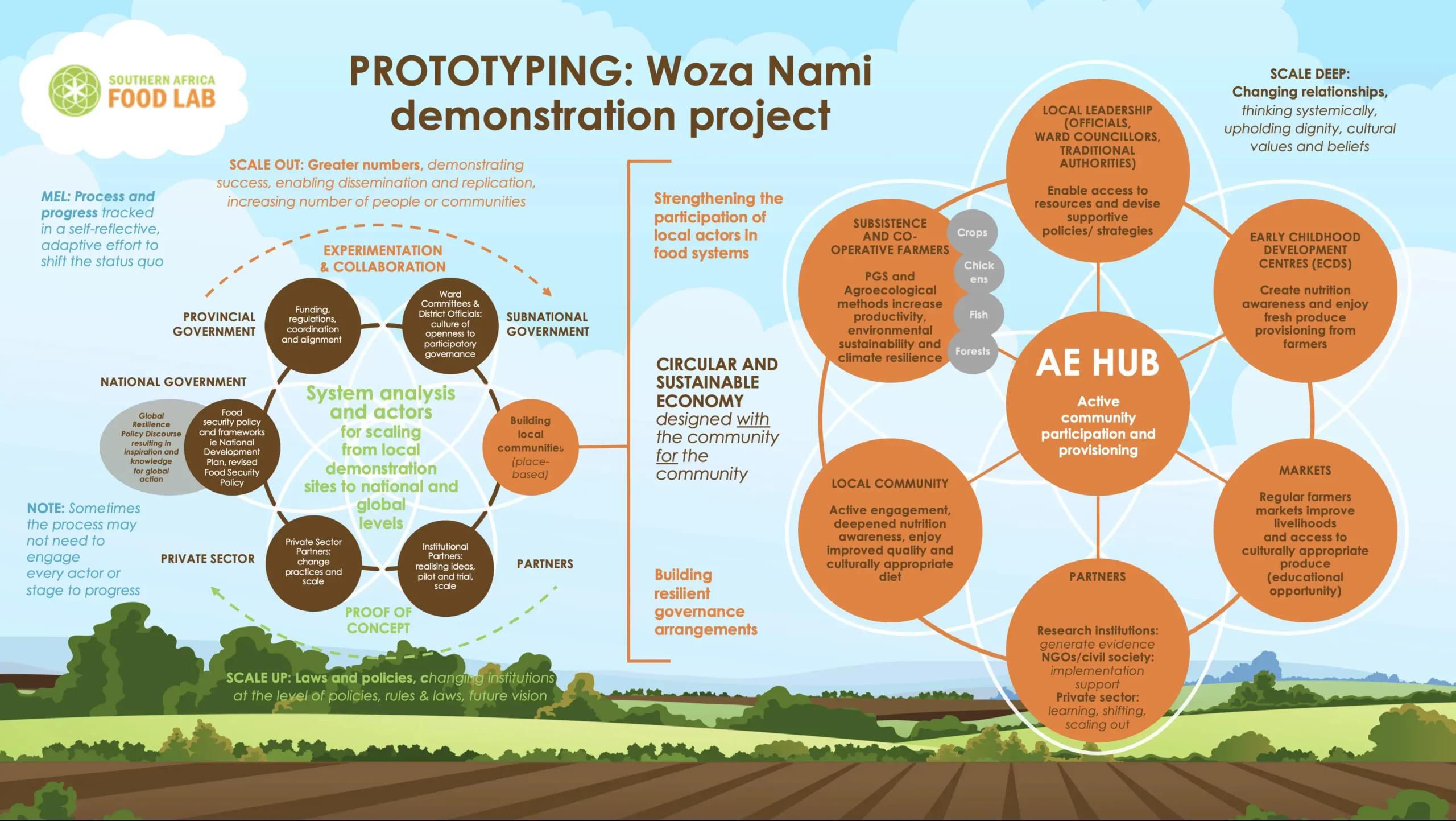
Facilitating dialogue and learning exchanges to support social innovation, directly aiding operational staff and partners in implementing project facets innovatively.
Scaling out
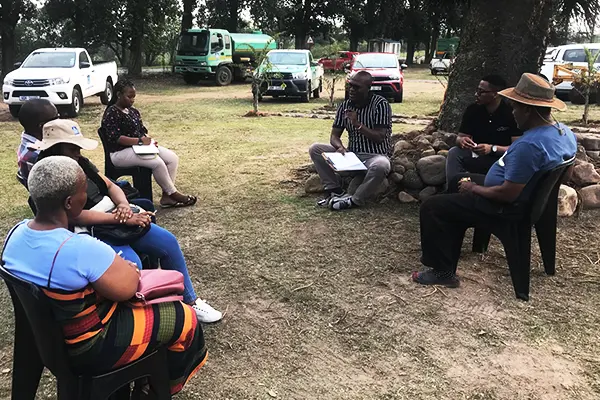
Collaborating with approximately 135 smallholder farmer households—80% of whom are women—to enhance vegetable production using agroecological methods. This initiative aims to increase access to nutritious food and stimulate local economies by encouraging residents to purchase produce directly from local farmers.
Scaling up
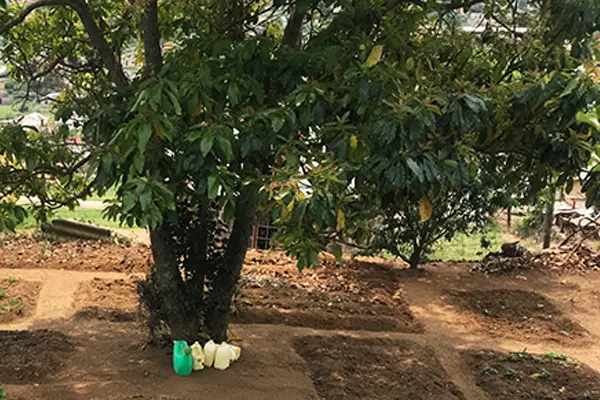
Integrating indigenous trees into farming systems to improve soil health, provide shade, and offer additional sources of nutrition and income through fruits and non-timber products. This agroforestry approach strengthens the structural and functional capacity of local farms, contributing to climate resilience.
Key initiatives
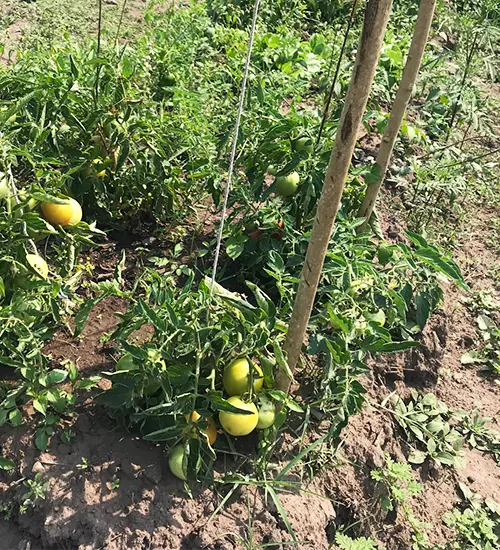
Community-Determined Dietary Needs (DGMT)
Engaging communities to understand and address their specific nutritional requirements, promoting the consumption of indigenous and traditional plants to enrich diets.
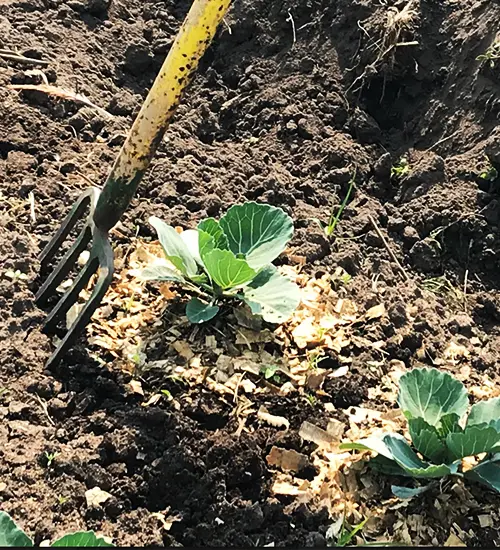
Woza Nathi: Regenerative Practices in Diversified Livelihoods (WWF Green Trust)
Implementing regenerative agricultural practices to diversify and sustain livelihoods, enhancing both environmental and economic resilience.
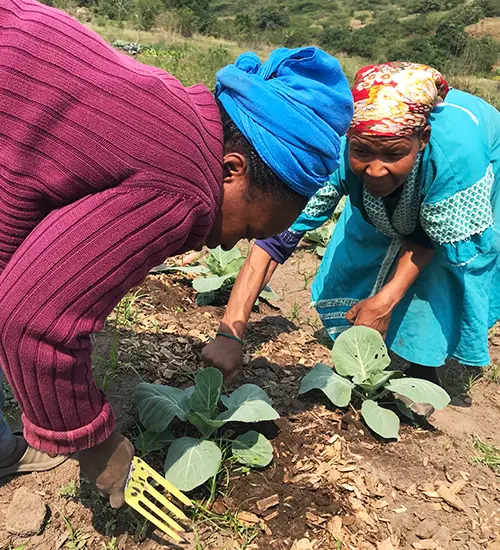
Agroecology Transitions and Improving Livelihoods (11th Hour)
Supporting farmers in transitioning to agroecological methods, improving livelihoods through sustainable farming practices.
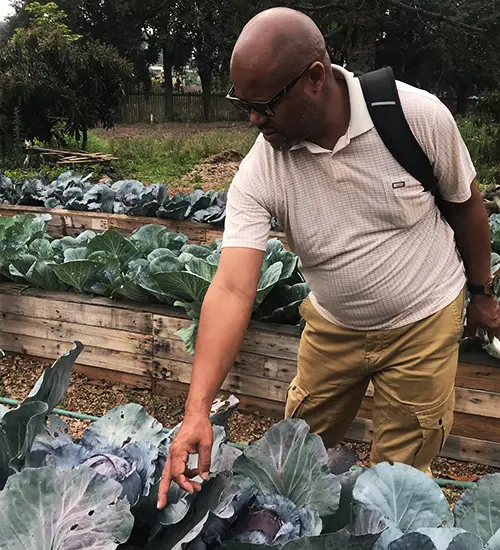
Seriti-Supported Projects at the Inchanga Hub
Focusing on capacity development and infrastructure investment to bolster the effectiveness and reach of the Inchanga Agroecology Hub.

Key initiatives
Community-Determined Dietary Needs (DGMT)
Engaging communities to understand and address their specific nutritional requirements, promoting the consumption of indigenous and traditional plants to enrich diets.
Woza Nathi: Regenerative Practices in Diversified Livelihoods (WWF Green Trust)
Implementing regenerative agricultural practices to diversify and sustain livelihoods, enhancing both environmental and economic resilience.
Agroecology Transitions and Improving Livelihoods (11th Hour)
Supporting farmers in transitioning to agroecological methods, improving livelihoods through sustainable farming practices.
Seriti-Supported Projects at the Inchanga Hub
ocusing on capacity development and infrastructure investment to bolster the effectiveness and reach of the Inchanga Agroecology Hub.
Woza Nami thrives through collaboration with various partners, including eThekwini Municipality, Seriti, DGMT, Participatory Guarantee Systems (PGS), Institute of Natural Resources, Stellenbosch University Nutrition Division, South African Medical Research Council, and the University of KwaZulu-Natal.
These partnerships are instrumental in creating a scalable, replicable, and collaborative approach to transforming local food systems, aligning with the project's vision of establishing agri-hubs as centers of excellence.
Looking ahead
The project is set to culminate in a "Transformation Lab" in the latter part of 2025, aiming to define a new trajectory for the Inchanga Hub and the Agroecology Unit, and to clarify the ongoing role of the Southern Africa Food Lab in this transformative journey.
Through these concerted efforts, Woza Nami aspires to build a resilient, self-sustaining food system in eThekwini, serving as a model for similar initiatives across Southern Africa.
Community-Determined Dietary Needs
(Funded by DG Murray Trust)
This initiative places local knowledge and agency at the centre of improving child nutrition. Focused on Early Childhood Development (ECD) centres within a 20 km radius of the Inchanga Hub, the project explores how local communities define and meet their dietary needs through small-scale farming and fresh food provisioning. In collaboration with partners in health and academia, the Food Lab is helping to surface insights that support both better nutrition and stronger connections between ECDs and local farmers.
A recent research phase engaged 20 ECD centres, assessing the nutritional status of over 500 children, and identified cases needing urgent medical referral—demonstrating the value of linking research with real-time care. Simultaneously, 126 local farmers participated in in-depth interviews and focus groups exploring their production capacity, dietary practices, and potential to supply fresh produce to local institutions. The findings revealed opportunities—but also logistical and market challenges—that need to be addressed through improved planning, mentoring, and support.
This work contributes to a growing conversation about how small-scale food systems can support healthier futures for young children. It challenges conventional approaches to nutrition by inviting local actors—parents, farmers, educators, and health workers—into a process of co-creating solutions. As the project nears completion, its insights are informing a broader strategy that connects research, awareness, and on-the-ground action across the Inchanga region.
Woza Nathi: Regenerative Practices in Diversified Livelihoods
(Funded by WWF Nedbank Green Trust)
Woza Nathi invites smallholder and One Home One Garden farmers into a shared learning journey focused on regenerative, agroecological practices. Building on indigenous knowledge and lived experience, the project supports farmers to grow food in ways that nurture ecosystems, strengthen resilience, and contribute to local nutrition. It also explores how this community-based approach might become a replicable model for municipal investment in local food systems.
The work at Inchanga includes piloting agroforestry techniques, revitalising local markets, and developing new organisational models such as the Organic Agroecological Farmer Organisation (OAFO). Farmers are co-developing tools like an entry-level endorsement seal and a locally adapted instruction booklet, while strategies like consignment-based marketing and mobile markets are being tested to improve income opportunities. Partnerships with institutions like PGSSA and Food & Trees for Africa have strengthened the project’s technical and strategic foundations.
What’s emerging is a dynamic ecosystem of experimentation, reflection, and innovation—rooted in the Food Lab’s strengths in convening dialogue and catalysing social learning. The project demonstrates that regeneration isn’t just about farming practices; it’s about empowering people to reimagine their relationship with land, food, and each other. As the initiative gains traction, it offers new possibilities for locally led, ecologically sound, and socially just food systems.
Agroecology Transitions and Improving Livelihoods
(Funded by 11th Hour Project / RSF Social Finance)
This project supports smallholder farmers to transition toward agroecological practices that improve both livelihoods and environmental resilience. Based in Inchanga and linked to a wider civil society network, the initiative takes a phased approach—starting with a core group of farmers and working toward a replicable support model that integrates mentorship, market development, production planning, and practical infrastructure.
Key efforts include improving seedling production, rehabilitating greenhouses damaged by severe weather, and introducing cold storage facilities to extend the shelf life of produce. At the same time, the project is helping to differentiate pathways for farmers—supporting those ready to move beyond subsistence toward supplying institutional or retail markets. Insights from DGMT-funded research and ongoing learning exchanges are shaping strategy and refining implementation.
While the Food Lab itself is not a delivery organisation, its role in convening partnerships, aligning initiatives, and facilitating reflective learning is central to the project’s success. The work at Inchanga demonstrates how agroecology can become a viable, community-driven alternative to conventional agriculture—especially when supported by trusted relationships, strong coordination, and a shared vision for thriving local food systems.
Seriti-Supported Projects at the Inchanga Hub
(Funded by SEF and Citi Foundation)
The Social Employment Fund (SEF) and Citi Foundation are enabling a vital stream of activity at the Inchanga Hub—bringing income, skills, and infrastructure directly to community members through social employment and enterprise development. These investments form a key pillar of the Hub’s broader agroecological vision, underpinning Food Lab-led work by ensuring that ideas are supported by practical capacity and tangible delivery.
Through SEF funding, four community gardens covering more than five hectares have been established, producing thousands of vegetable units for sale and donation. Twenty-five small enterprises have been launched under the Citi-supported programme, while over 100 participants have undergone training in accredited and non-accredited programmes focused on crop production, food safety, and nutrition. Infrastructure contributions include a large tunnel, seedling nursery, hydroponic unit, and borehole repairs—foundational pieces in the local food value chain.
Perhaps most importantly, this work is identifying and equipping young entrepreneurs to step into more sustainable opportunities, while also positioning the Hub as a practical site of learning and demonstration. As the programme moves into its next phase, partnerships with local CBOs and a new poultry training initiative are helping to diversify livelihoods even further. This ground-level investment shows how well-structured social employment can become a catalyst for food system change—when aligned with a bigger vision of community resilience and ecological care.